The Benefits of Low-Chlorine Pool Treatment Systems
Discover how low-chlorine pool treatment systems enhance your swimming experience while promoting a healthier environment for your family and guests.
The Benefits of Low-Chlorine Pool Treatment Systems
Low-chlorine pool treatment systems are gaining popularity among pool owners who seek to maintain crystal-clear water without the harsh chemicals traditionally associated with chlorine. This blog post delves into the numerous benefits of adopting low-chlorine systems, the different types available, and how these systems can improve both safety and enjoyment in your swimming pool. We will explore their cost-effectiveness, ease of use, and the positive impact they can have on your health and the environment.
In recent years, swimming pool maintenance has evolved significantly, prompting pool owners to seek alternatives that not only keep their pools clean but also minimize chemical exposure. Low-chlorine systems, often utilizing advanced technologies like saltwater chlorination or mineral sanitization, offer a sustainable solution that aligns with modern health and environmental standards. Join us as we examine the compelling reasons to consider switching to a low-chlorine treatment system.
Understanding Low-Chlorine Pool Treatment Systems
Low-chlorine pool treatment systems include various methods that reduce the reliance on traditional chlorine products. These systems may use saltwater chlorination, which produces chlorine through the electrolysis of salt, or mineral systems that utilize natural minerals like copper and silver to sanitize the water. This significantly lowers the amount of free chlorine in the pool while still maintaining a sanitary swimming environment.
Studies have shown that pools treated with lower levels of chlorine can significantly reduce the occurrence of skin irritations and respiratory issues associated with high chlorine exposure. For families with children and individuals with sensitive skin, this reduction in chemical exposure is a substantial benefit. Moreover, many pool owners report a noticeable difference in the feel of the water, which is often described as softer and more pleasant.
Health Benefits of Low-Chlorine Pools
Switching to a low-chlorine pool treatment system can lead to several health benefits for you and your family. One of the most significant advantages is the reduction of chloramines, which are chemical compounds formed when chlorine reacts with organic matter, such as sweat and body oils. High levels of chloramines can lead to eye irritation, skin problems, and respiratory issues.
By using low-chlorine treatment methods, pool owners can minimize these negative effects, providing a more enjoyable swimming experience. Additionally, soft water generated by saltwater systems can prevent dry skin and hair, making it a preferable choice for many families. Furthermore, the lower levels of chlorine can lead to a more environmentally friendly option, reducing the impact of chemical runoff into surrounding areas.
Cost-Effectiveness and Maintenance
While the upfront cost of installing a low-chlorine treatment system may be higher than traditional chlorine systems, the long-term savings can be significant. Saltwater systems, for example, require less frequent chemical purchases and often lead to reduced maintenance costs. Additionally, the longevity of pool equipment can be enhanced, as lower chlorine levels lead to less corrosion and wear on pool surfaces and components.
Moreover, the reduced frequency of chemical shocks and the need for balancing pH levels translates into lower maintenance demands. Many pool owners find that once a low-chlorine system is established, it requires less frequent attention than traditional systems, allowing them to enjoy their pools without the hassle of constant upkeep.
Environmental Impact
It is essential to consider the ecological footprint of pool maintenance practices. Traditional chlorine pools contribute to chemical runoff, which can harm local ecosystems. Low-chlorine systems, particularly those based on mineral or saltwater technologies, produce fewer harmful byproducts. This shift not only benefits your immediate environment but also promotes a greener approach to pool ownership.
Moreover, since these systems often require fewer chemicals, they contribute to lower energy usage during production and transport, aligning with sustainable living practices. As more homeowners adopt eco-friendly solutions, the collective impact can lead to significant environmental improvements in communities.
Comparing Different Low-Chlorine Systems
When considering a low-chlorine pool treatment system, it’s crucial to compare the available options. Saltwater systems are among the most popular choices, as they generate chlorine on-site, providing a steady, low level of sanitizer without the need for regular chemical additions. This method is not only convenient but also produces a gentler swimming experience.
Mineral systems, on the other hand, utilize natural minerals to reduce the need for chlorine. This approach can also provide additional benefits, such as improved water clarity and reduced algae growth. Understanding the differences between these systems can help you make an informed decision based on your specific needs and preferences.
Best Practices for Maintaining Low-Chlorine Pools
To maximize the benefits of your low-chlorine pool treatment system, it is essential to follow some best practices for maintenance. Regularly testing the water chemistry is crucial to ensure that the pH and alkalinity levels are balanced. This practice not only enhances the effectiveness of the low-chlorine system but also prolongs the overall life of your pool.
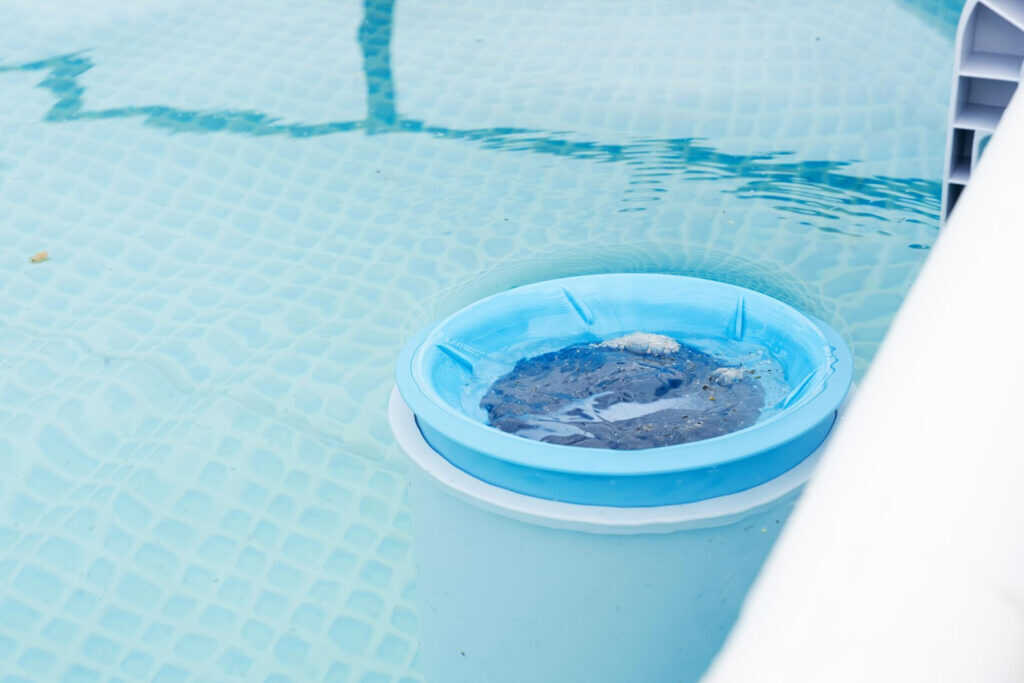
Installing a good filtration system is another key component of maintaining clean water. High-quality filters help remove debris and contaminants, which can enhance the efficiency of low-chlorine systems. Additionally, keeping the pool clean by regularly skimming debris and brushing the walls will prevent buildup and ensure optimal performance.
The Future of Pool Treatment Systems
As technology continues to advance, we can expect further innovation in pool treatment systems. Low-chlorine options will likely become even more efficient and user-friendly, offering new features and functionalities that make pool maintenance easier and more enjoyable. Homeowners can look forward to smarter systems that integrate with home automation and provide real-time monitoring of water quality.
Staying informed about the latest advancements will allow pool owners to make educated decisions about the best pool service software for their specific needs. Incorporating tools that streamline maintenance processes, such as Pool Biller Software, can enhance efficiency and organization.
Conclusion
In summary, low-chlorine pool treatment systems offer a multitude of benefits for both pool owners and the environment. From improved health outcomes and reduced maintenance costs to a lower ecological footprint, these systems present a compelling case for those considering a switch. As you explore the best options for your pool, remember that investing in a low-chlorine system is not just about cleaner water; it’s also about creating a safer, more enjoyable swimming experience for everyone.
Now is the perfect time to consider upgrading your pool treatment system. Embrace the benefits of a low-chlorine solution and enjoy a healthier, more sustainable swimming experience. Take the first step towards a more enjoyable pool by researching options and finding the best fit for your needs today!