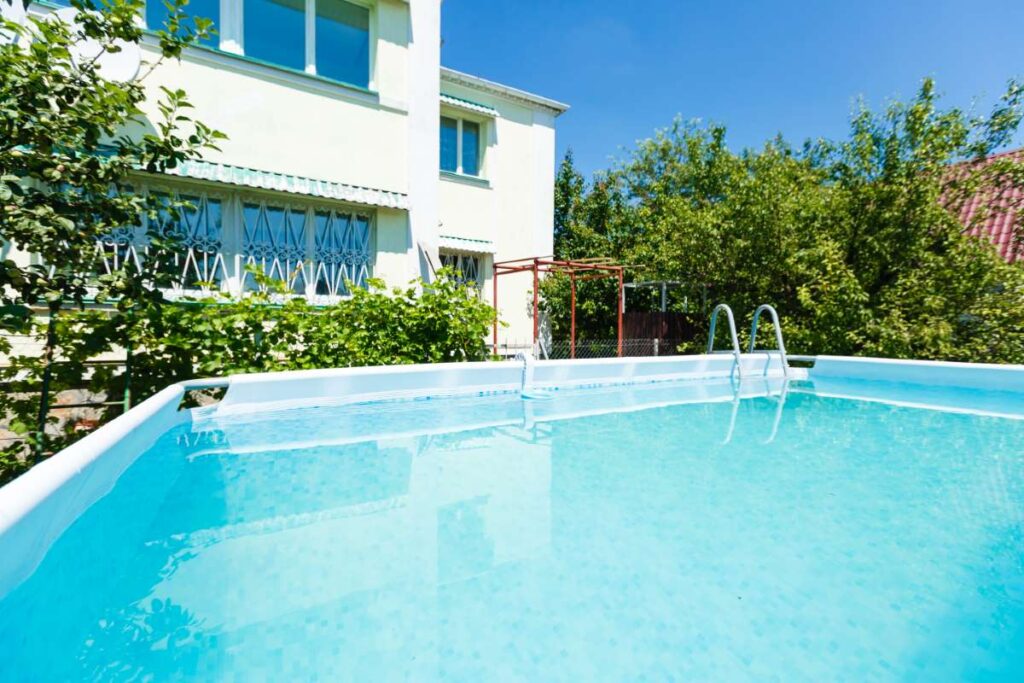
How to Reduce Waste in Pool Construction and Renovation
Explore effective strategies to minimize waste in pool construction and renovation, enhancing sustainability while maximizing efficiency. Discover practical tips!
How to Reduce Waste in Pool Construction and Renovation
In recent years, the construction and renovation industry has increasingly recognized the importance of sustainability and environmental responsibility. Pool construction and renovation projects, in particular, can generate significant waste, from excess materials to discarded chemicals. This blog post will delve into effective strategies for reducing waste in pool construction and renovation. We will explore best practices that not only minimize environmental impact but also promote efficiency and cost savings for pool service businesses.
As the demand for swimming pools continues to rise, it is essential for businesses involved in pool construction and renovation to adopt sustainable practices. Failing to address waste management can lead to increased project costs, regulatory fines, and damage to a company’s reputation. This article will provide an overview of waste reduction strategies, including innovative technologies, material reuse, and effective planning. By implementing these strategies, pool service professionals can contribute to a greener future while enhancing their operational efficiency.
Understanding the Types of Waste in Pool Construction
The first step in reducing waste is understanding the types of waste commonly produced during pool construction and renovation projects. Waste can be broadly categorized into several types, including:
- Material Waste: This includes leftover tiles, concrete, plumbing materials, and other construction elements that are discarded at the end of a project.
- Hazardous Waste: Chemicals used in pool construction and maintenance, such as paints and solvents, can be harmful to the environment if not disposed of correctly.
- Operational Waste: Inefficiencies during the construction process, such as miscommunication or poor planning, can lead to wasted time and resources.
Understanding these categories can help pool service professionals identify opportunities to minimize waste. For example, tracking material usage and developing an inventory management system can lead to more efficient ordering, reducing excess materials.
Innovative Technologies for Waste Reduction
Technology plays a crucial role in reducing waste in pool construction and renovation. Modern software solutions, such as Pool Biller Software, provide pool service businesses with the tools they need to streamline operations and minimize waste. These platforms can automate billing, track services, and manage client information, reducing the likelihood of errors that contribute to waste.
Advanced project management software is another valuable tool. By effectively scheduling tasks and coordinating teams, pool service businesses can reduce operational waste and ensure that materials are used efficiently. Furthermore, utilizing CAD (Computer-Aided Design) software can enable precise planning and design, reducing the likelihood of material waste.
Additionally, eco-friendly technologies, such as energy-efficient pumps and solar heating systems, can minimize the environmental impact of pool construction. Implementing these innovations not only reduces waste but can also enhance the long-term sustainability of the pools themselves.
Material Reuse and Recycling Strategies
Reusing and recycling materials is an effective way to reduce waste in pool construction and renovation. Many components used in pool construction, such as tiles and decking materials, can be salvaged and repurposed in new projects. For instance, reclaimed materials can add unique character to a pool design while minimizing waste.
Establishing partnerships with local recycling facilities can also help pool service businesses responsibly dispose of hazardous materials. Understanding local regulations regarding hazardous waste disposal can prevent fines and promote a positive company image.
Moreover, providing training for employees on material management can foster a culture of sustainability within the organization. Encouraging workers to prioritize resource conservation can lead to fewer materials wasted during projects.
Effective Planning and Communication
Effective planning and communication are vital components of a waste reduction strategy in pool construction. Developing detailed project timelines and clear communication channels can help eliminate misunderstandings that lead to waste. Utilizing project management tools that allow for real-time updates and collaboration can enhance team communication.
Moreover, involving all stakeholders, including suppliers and subcontractors, in the planning process can lead to more efficient project execution. Clearly communicating expectations and timelines can help ensure that everyone is on the same page, reducing the risk of operational waste.
Best Practices for Sustainable Pool Construction
Implementing best practices for sustainable pool construction can significantly reduce waste and enhance efficiency. These practices include:
- Choosing Sustainable Materials: Opt for eco-friendly materials, such as low-VOC paints and recycled decking, which contribute to a greener construction process.
- Optimizing Equipment Usage: Ensure that machinery and equipment are well-maintained and suitable for the tasks at hand to minimize energy consumption and operational waste.
- Incorporating Energy-Efficient Designs: Design pools that utilize natural resources, such as sunlight and wind, to reduce energy consumption during operation.
Adopting these best practices not only minimizes waste but also positions pool service businesses as leaders in sustainability within the industry. This can enhance their reputation and attract environmentally-conscious clients seeking pool construction services.
Implementing Waste Audits
Conducting waste audits can provide pool service businesses with valuable insights into their waste management practices. A waste audit involves analyzing the types and quantities of waste generated during a project. This analysis can highlight key areas for improvement and inform future waste reduction strategies.
By tracking waste generation over time, pool service professionals can identify trends and adjust their practices accordingly. For instance, if a particular type of material consistently results in excessive waste, businesses can reevaluate their procurement or construction methods.
Additionally, involving employees in the audit process can foster a sense of accountability and engagement in sustainability initiatives. Training staff to recognize waste reduction opportunities can lead to long-term improvements and a more environmentally conscious company culture.
Educating Clients on Sustainable Practices
Educating clients about sustainable practices in pool construction and renovation can create a more informed customer base. Providing informational resources about eco-friendly materials, energy efficiency, and water conservation can empower clients to make responsible decisions regarding their pool projects.
Offering options for sustainable designs and discussing the benefits of energy-efficient technologies can position pool service businesses as knowledgeable experts. This not only enhances client trust but can also lead to increased customer loyalty.
Furthermore, creating a blog or newsletter that shares insights on sustainable practices can engage clients and establish the business as a thought leader in the pool industry. Regularly sharing tips and updates can keep clients informed and enthusiastic about sustainability.
Collaborating with Industry Partners
Collaboration with industry partners can amplify efforts to reduce waste in pool construction and renovation. Establishing relationships with suppliers who prioritize sustainability can lead to access to eco-friendly materials and innovative solutions.
Moreover, participating in industry associations focused on sustainability can provide pool service professionals with valuable resources and networking opportunities. Engagement in these communities can foster knowledge exchange and promote the adoption of best practices across the industry.
Joining forces with other businesses in the pool sector can also create a collective impact. Collaborating on sustainability initiatives, such as local clean-up efforts or educational workshops, can demonstrate a commitment to environmental responsibility and enhance the reputation of all involved parties.
Conclusion
Reducing waste in pool construction and renovation is not just an environmental imperative; it also presents significant opportunities for pool service businesses to enhance efficiency and profitability. By understanding the types of waste generated and implementing innovative technologies, material reuse strategies, and effective planning, businesses can minimize their waste footprint.
Moreover, fostering a culture of sustainability through employee education, client engagement, and industry collaboration can position pool service professionals as leaders in the industry. Embracing sustainable practices not only benefits the environment but can also enhance a company’s reputation and attract new clients.
As the pool industry continues to evolve, prioritizing waste reduction will play a crucial role in ensuring a sustainable future. By taking proactive steps today, pool service professionals can lead the way toward environmentally responsible pool construction and renovation.