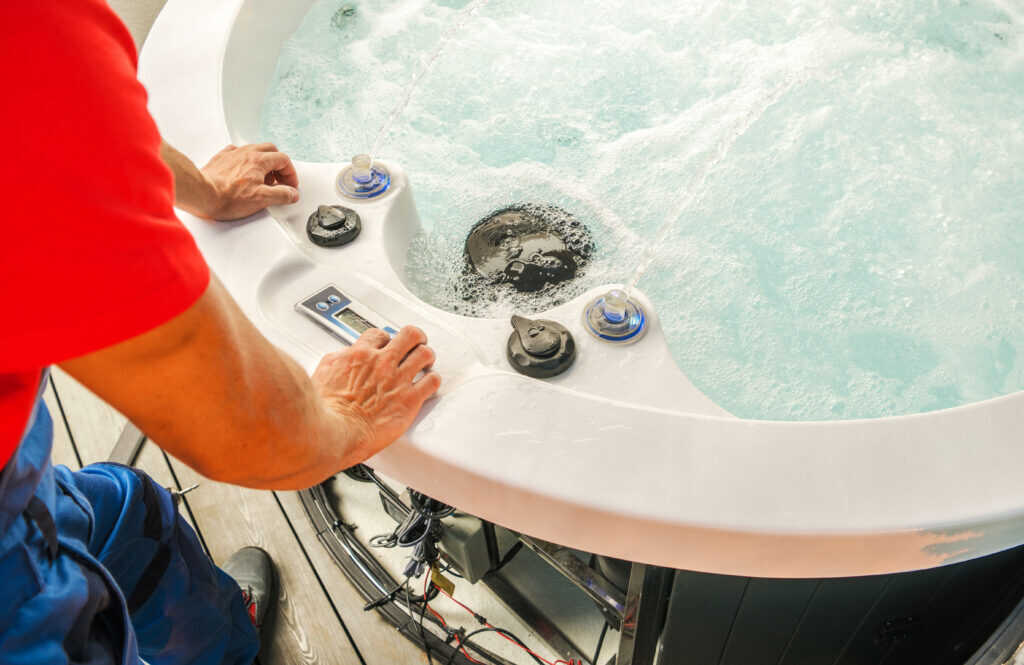

How to Reduce Noise and Air Pollution During Service
How to Reduce Noise and Air Pollution During Service
In the modern world, the impact of service operations on the environment has become increasingly significant, particularly in urban areas. This blog post focuses on how to reduce noise and air pollution during service activities, specifically within the pool service industry. With more awareness around environmental issues, it is imperative for pool service businesses to implement effective strategies that minimize their ecological footprint while still maintaining high service standards. We will explore various methods, tools, and practices that can be adopted to create a more sustainable and less disruptive service experience.The importance of reducing noise and air pollution cannot be overstated. These factors not only affect the immediate environment but can also have long-term health implications for both service workers and local residents. Pool service companies, often reliant on machinery and chemicals, have a responsibility to operate in a way that mitigates these harmful effects. This article will highlight several approaches that pool service professionals can take to ensure their operations are more environmentally friendly.
From the use of quieter equipment to eco-friendly chemicals, we will delve into practical steps businesses can take to reduce their impact. Furthermore, we will touch upon the benefits of implementing these strategies—not only for the environment but also for the business itself. Let’s dive into the specifics of reducing noise and air pollution in pool service operations.
Understanding the Sources of Noise and Air Pollution
Before taking action to mitigate noise and air pollution, it is crucial to understand the primary sources of these issues within pool service operations. Noise pollution often emanates from equipment such as pool pumps, vacuums, and pressure washers. These machines can generate sounds that disrupt both homeowners and local wildlife, especially when operation occurs in residential areas.
In addition to noise, air pollution in pool service is a result of the chemicals used for maintenance. Chlorine, algaecides, and other chemical treatments can contribute to air quality issues when they volatilize or are improperly disposed of. According to the Environmental Protection Agency (EPA), exposure to certain pool chemicals can lead to respiratory problems and other health issues over time.
By identifying these sources, pool service professionals can take targeted actions to reduce their impact. Understanding the problem is the first step towards implementing effective solutions that benefit not just the business, but also the community and environment.
Investing in Quieter Equipment
One of the most effective ways to reduce noise pollution is by investing in quieter, more efficient equipment. Many manufacturers now offer pool service machinery designed to operate at lower decibel levels without sacrificing performance. For instance, opting for variable-speed pool pumps can significantly reduce noise as they adjust their speed based on the specific needs of the pool, rather than running at full power continuously.
Additionally, consider using vacuum systems that are engineered to operate quietly. Electric-powered vacuums are typically quieter than traditional gas-powered models, making them a preferable choice for residential areas. By investing in quieter equipment, pool service companies can minimize disruptions to clients and neighboring households, enhancing their reputation while promoting a peaceful environment.
Furthermore, implementing sound barriers, such as acoustic panels or soundproof enclosures around noisy equipment, can also help absorb sound. These additions can make a substantial difference, particularly in areas where noise regulations are strict.
Utilizing Eco-Friendly Chemicals
The choice of chemicals used in pool maintenance plays a critical role in air quality. Traditional chlorinated products can release harmful fumes, contributing to both air pollution and respiratory issues for service technicians and customers alike. Switching to eco-friendly alternatives can significantly diminish these risks.
There are now numerous biodegradable and non-toxic pool chemicals available on the market. These products not only reduce the environmental impact but also promote healthier swimming conditions. For example, using saltwater systems can minimize the need for harsh chemicals while still keeping pools clean and safe.
Educating clients about the benefits of eco-friendly pool maintenance solutions can also position a pool service business as a leader in sustainable practices. This not only helps attract environmentally conscious customers but also establishes a brand identity centered around health and sustainability.
Implementing Best Practices for Service Routes
Efficient routing can significantly reduce both noise and air pollution by minimizing the time spent in transit and the distance traveled. Utilizing software solutions like Pool Biller Software can optimize scheduling and routing for pool service technicians. This technology allows companies to plan their routes effectively, ensuring that multiple service calls in close proximity are grouped together.
Moreover, strategically planning service times can reduce disturbances during peak hours, such as early mornings or late evenings. Communicating with clients to schedule services at convenient times can further enhance customer satisfaction while diminishing noise-related complaints.
Finally, ensuring that vehicles are well-maintained can reduce emissions and noise pollution from transportation. Regular maintenance checks on service vehicles can keep them running efficiently and quietly, contributing to a lower environmental impact.
Training Staff on Environmental Awareness
Employees play a vital role in implementing noise and air pollution reduction strategies. Providing training sessions focused on environmental awareness can empower staff to make conscious decisions during service operations. This training can cover the proper use of equipment, cleaning techniques, and chemical handling, ensuring that everyone is aligned with the company’s sustainability goals.
Encouraging staff to report issues or suggest improvements can also foster a culture of environmental responsibility. When team members feel invested in the company’s environmental efforts, they are more likely to take proactive measures, from reducing waste to optimizing their service practices.
Taking the initiative to educate and involve employees in sustainability initiatives not only promotes a more environmentally friendly workplace but can also enhance team morale and cohesion. This collaborative approach can have a lasting impact on the overall effectiveness of the company’s environmental efforts.
Monitoring and Measuring Impact
To effectively gauge the success of implemented strategies, pool service companies should consider monitoring and measuring their environmental impact regularly. This can involve keeping records of emissions, noise levels, and chemical usage, allowing for adjustments and improvements over time.
Investing in tools that measure air quality and noise levels can provide valuable data on how service practices affect the surrounding environment. This kind of information not only helps businesses stay compliant with local regulations but also offers insights on potential areas for improvement.
Moreover, sharing this data with clients can enhance transparency and trust. Demonstrating a commitment to reducing environmental impact can differentiate a business in a competitive market, making it more appealing to eco-conscious customers.
Promoting Community Engagement and Feedback
Community engagement is crucial for understanding the specific concerns of local residents regarding noise and air pollution. Pool service businesses should consider organizing community forums or surveys to gather feedback on their service practices. This engagement allows companies to tailor their operations to better meet the needs and expectations of the community.
Additionally, responding to community concerns and demonstrating a commitment to addressing them can significantly enhance a company’s reputation. Businesses that take proactive measures to minimize their environmental impact are often viewed more favorably, which can lead to increased customer loyalty and referrals.
Implementing community-focused initiatives, such as local clean-up days or educational workshops about pool maintenance and environmental care, can further strengthen community ties and foster goodwill.
Conclusion
In conclusion, reducing noise and air pollution during pool service operations is not only beneficial for the environment but also enhances customer satisfaction and business reputation. By investing in quieter equipment, using eco-friendly chemicals, optimizing service routes, and engaging employees and the community, pool service companies can take significant strides towards sustainability.
As the demand for environmentally responsible practices continues to grow, businesses that adapt and innovate will find themselves at the forefront of the industry. By prioritizing these strategies, pool service professionals can create a cleaner, healthier environment for both their clients and communities. Take the first step towards sustainable service practices today, and consider integrating solutions like Pool Biller Software to help streamline your operations and improve your service delivery.