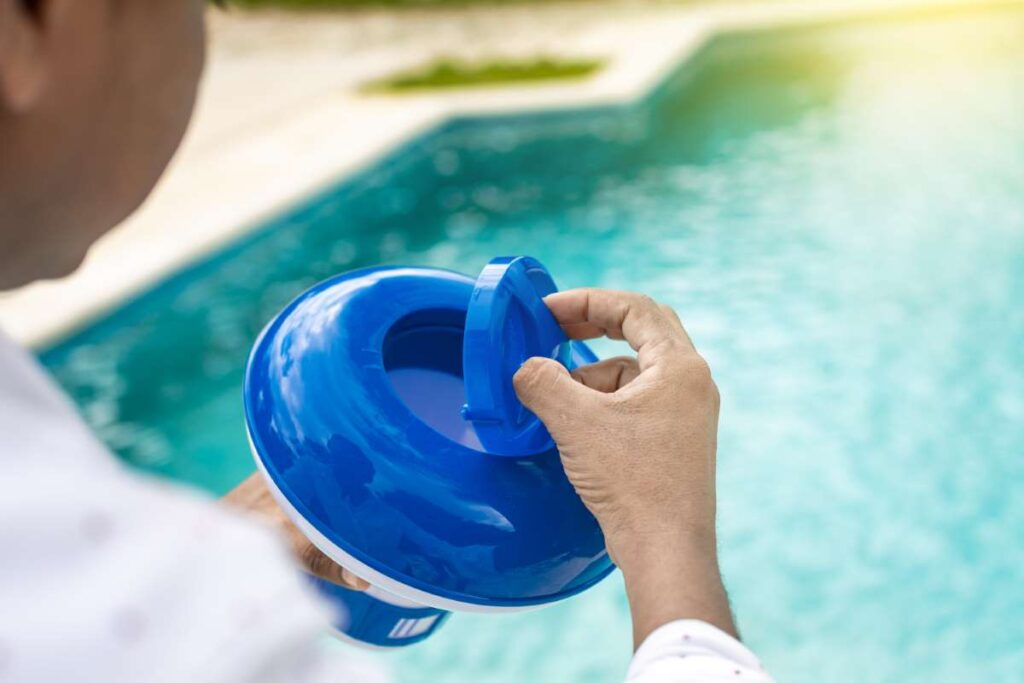

Managing Pool Maintenance During Rainy Seasons
Rainy seasons can be a real challenge for pool owners and service providers alike. This guide covers essential tips for managing pool maintenance during those wet months.Managing Pool Maintenance During Rainy Seasons
As the rainy season approaches, pool maintenance becomes increasingly vital yet challenging. Heavy rains can lead to various issues including water contamination, debris accumulation, and fluctuating water levels. For pool service providers, understanding how to effectively manage these challenges is essential for maintaining the health of the pool and ensuring customer satisfaction. This article will explore key strategies for managing pool maintenance during rainy seasons, providing practical tips, expert insights, and innovative tools that can simplify the process.When rain hits, it can introduce a host of contaminants into pools, from dirt and leaves to more serious problems like algae blooms if not managed properly. The importance of timely maintenance cannot be overstated, as neglecting these issues can lead to costly repairs and dissatisfied customers. In this post, we will delve into specific strategies for keeping pools clean and safe during rainy weather, discuss the impact of weather conditions on pool chemistry, and introduce helpful tools like Pool Biller Software to streamline billing processes for pool maintenance services.
In addition, we’ll cover best practices for ensuring your clients’ pools are ready for use, even after the heaviest downpours. By integrating these strategies into your service routine, you can provide a higher level of service and keep your business thriving during the wetter months.
Understanding the Impact of Rain on Pool Water Quality
Rainwater is not just plain water; it can carry pollutants and debris from the atmosphere and surrounding areas. When it rains, these contaminants can enter your pool, leading to imbalances in water chemistry. For pool service providers, understanding this impact is crucial.
Firstly, rain can dilute the pool chemicals that maintain proper water balance, such as chlorine levels. A sudden influx of rainwater can lower the sanitizer levels, making pools susceptible to algae growth and bacteria. According to the Centers for Disease Control and Prevention (CDC), maintaining proper chlorine levels is essential in preventing waterborne illnesses.
Moreover, rainwater can also introduce phosphates into the pool, which can act as nutrients for algae. Regular testing of water quality after significant rainfall is essential to manage these changes effectively. By using test kits to measure pH, alkalinity, and sanitizer levels, pool technicians can quickly determine what adjustments need to be made.
Cleaning Up After the Rain: Essential Maintenance Tasks
After a rainstorm, the first steps in pool maintenance involve clearing debris and assessing water quality. Leaves, branches, and dirt can accumulate in pools, forming clogs in filters and damage to the pool surfaces if left unattended. It’s advisable to remove larger debris with a skimmer net and then vacuum the pool to ensure all contaminants are cleared.
In addition to physical cleaning, technicians should check the pool’s filtration system. Rain can increase the load on the filters, and it might require more frequent backwashing or cleaning to maintain optimal performance. Regular checks on the pump and skimmer baskets will help prevent clogs and ensure that water circulates effectively.
Setting a routine for post-rain maintenance is essential. Many pool service companies opt to schedule follow-up visits after heavy rain events to ensure pools are cleaned and treated promptly. Utilizing tools like Pool Biller Software can help in keeping track of these service schedules, making it easier to inform clients of any necessary maintenance.
Adjusting Pool Chemistry: A Proactive Approach
Maintaining proper water chemistry is crucial during rainy seasons. Following significant rainfall, it’s important to test and adjust the chemical levels in the pool water. This includes monitoring pH levels, alkalinity, and calcium hardness, as rainwater can alter these balances significantly.
Chlorine levels typically should be between 1-3 ppm for safe swimming. After heavy rain, it’s wise to shock the pool to bring the chlorine levels back up and eliminate any bacteria introduced during the storm. Furthermore, adding algaecide can help prevent algae blooms that are more likely to occur when water chemistry is out of balance.
Additionally, consider the use of stabilizers to protect chlorine levels from being depleted by UV rays and rain. Regular chemical balancing not only keeps the pool safe for swimming but also extends the life of the pool surfaces and equipment.
Utilizing Technology to Streamline Pool Maintenance
In the pool maintenance industry, technology plays a vital role in enhancing service efficiency. Tools like Pool Biller Software can assist pool service professionals in managing their operations effectively. This software simplifies billing processes and allows for better tracking of service schedules and chemical treatments.
With features like automated invoicing and client management, pool technicians can focus more on fieldwork rather than paperwork. This not only saves time but also improves accuracy in billing and service delivery. For seasonal pool services, utilizing software can help in maintaining consistent cash flow and managing client relationships smoothly.
Moreover, investing in mobile applications for on-site assessments allows pool technicians to record data efficiently, from chemical levels to service notes. This real-time data collection enhances the level of service provided to clients, making them feel more informed and valued.
Best Practices for Scheduling During Rainy Seasons
Scheduling is another critical aspect of effective pool maintenance, particularly during unpredictable weather patterns. Many pool service providers face difficulties in maintaining a consistent schedule because of rain interruptions. To optimize scheduling, consider implementing a flexible system that can accommodate last-minute changes.
Utilizing software solutions can aid in quickly adjusting appointments and notifying clients of changes. It’s essential to communicate with clients regarding potential delays due to weather, ensuring they understand the importance of maintaining their pool despite the circumstances.
Building a buffer into your schedule can also help manage the unpredictability of rainy seasons. For example, if a storm is forecasted, scheduling extra visits before and after can prepare for potential cleanup and adjustments. This proactive approach can prevent backlogs of work and maintain customer satisfaction.
Addressing Customer Concerns: Communication is Key
During rainy seasons, customers may have concerns about their pool maintenance and overall safety. Addressing these concerns promptly can enhance client relationships and foster trust. Regular communication about the importance of maintaining water quality and the steps you are taking to ensure their pool remains safe is essential.
Consider sending out newsletters or updates after heavy rains to inform clients of the potential impacts on their pools. Educating customers about the importance of regular maintenance, especially after storms, can also empower them to take ownership of their pool’s health.
Engaging with clients through follow-up calls or messages after service visits can also provide reassurance. This level of communication can set your service apart from competitors, making clients feel valued and informed.
Preparing Your Business for Seasonal Changes
As a pool service provider, preparing for the rainy season involves more than just managing pool maintenance; it requires strategizing for business sustainability as well. Whether it’s adjusting pricing based on seasonal demand or training staff for rainy day protocols, proactive planning can make a significant difference.
Consider diversifying your service offerings during rainy seasons to include additional indoor services or maintenance packages that clients can utilize even when the weather is unpredictable. This approach can help stabilize revenue during slower months and keep your team engaged.
Furthermore, investing in training programs for your staff can equip them with the skills needed to handle various maintenance scenarios. This not only enhances the service level but can also increase employee satisfaction and retention.
Conclusion
Managing pool maintenance during rainy seasons presents unique challenges, but with the right strategies in place, these can be effectively addressed. From understanding the impact of rain on water quality to leveraging technology for streamlined operations, pool service providers can navigate these months successfully.
By consistently testing water chemistry, communicating effectively with clients, and employing innovative tools like Pool Biller Software, pool maintenance businesses can thrive even during adverse weather conditions. Ultimately, prioritizing proactive maintenance and customer engagement will lead to better service outcomes and enhanced client satisfaction.
As we move into wetter months, let’s embrace the challenge and ensure that all pools remain safe, clean, and enjoyable for clients. Your expertise and diligence in managing these seasonal nuances can set your business apart and foster lasting relationships with your clientele.