
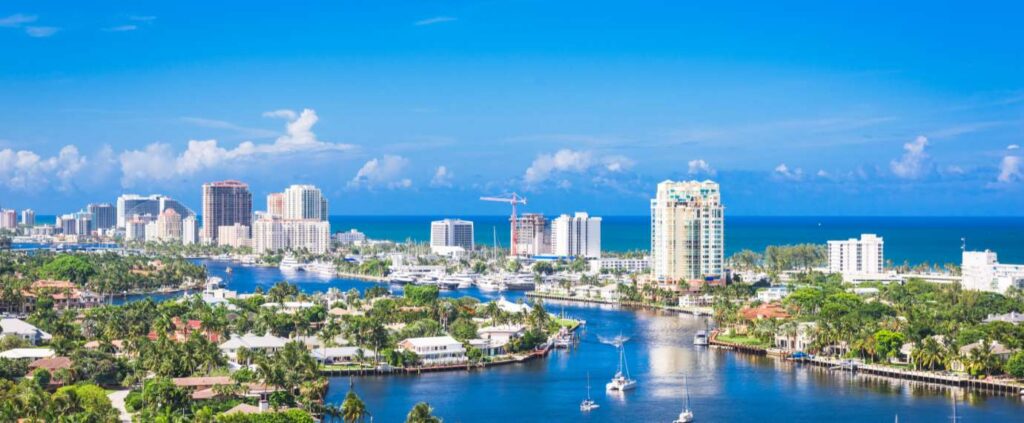
Creating Geo-Targeted Ads for Different Pool Service Regions
Creating Geo-Targeted Ads for Different Pool Service Regions
Creating geo-targeted ads is a powerful way to enhance your pool service business’s marketing strategy, allowing you to connect with potential customers in specific locations. This blog post will delve into the importance of geo-targeting for pool services. We will explore the strategies to create effective ads tailored to different regions, discuss the tools available, and offer practical tips for maximizing your ad campaigns. By the end, you will have a comprehensive understanding of how to optimize your advertising efforts to meet the diverse needs of your clientele.In today’s digital landscape, simply having a strong online presence is not enough. Pool service businesses must focus on targeted advertising to reach their ideal customers effectively. Geo-targeting allows you to deliver ads to specific geographic locations, ensuring your marketing efforts are directed towards those most likely to require your services. This approach helps in reducing wasteful spending on ads that may reach uninterested audiences and enhances your overall return on investment (ROI).
This post will cover the essential aspects of creating geo-targeted ads, including understanding your audience, leveraging data for targeted ads, and utilizing tools like Pool Biller Software for seamless ad management. You will also learn about the best practices for designing ads that resonate with your target markets.
Understanding Your Audience
The first step in creating effective geo-targeted ads is understanding your audience. Knowing who your potential customers are and what services they need is crucial. For pool service businesses, factors such as demographics, local climate, and regional pool maintenance trends play a significant role in shaping your advertising strategy.
Consider the different types of pool owners in various regions. For example, homeowners in warm climates may require more frequent maintenance services than those in cooler areas. By analyzing customer data and local trends, you can tailor your messaging to address specific needs. Using tools like Google Analytics can help identify which demographics are engaging with your website and which areas have the highest traffic.
Furthermore, conducting surveys or utilizing customer feedback can provide valuable insights into your audience’s preferences. This information will guide you in crafting targeted messages that resonate with potential clients, ultimately leading to higher conversion rates.
Leveraging Data for Targeted Ads
Once you have a solid understanding of your audience, the next step is to leverage data for creating targeted ads. Utilizing customer data allows you to segment your audience based on location, ensuring that your ads are seen by the right people. This can be achieved through various online advertising platforms, such as Google Ads and Facebook Ads.
For example, if you operate in multiple regions, you can create separate ad campaigns tailored to each area’s unique characteristics. This means highlighting services that are more relevant to a specific location, such as winter pool closing services for colder regions or regular maintenance packages for warmer climates. By customizing your ads, you increase the likelihood that viewers will respond positively.
Additionally, integrating tools like Pool Biller Software can provide you with valuable insights into your current customer base. This software not only helps manage invoices but also allows you to track service patterns and customer preferences, enabling you to refine your geo-targeting efforts further.
Utilizing Geo-Targeting Tools
There are numerous tools available that can assist you in implementing geo-targeted advertising effectively. Google Ads remains one of the most robust options, allowing you to set specific geographic parameters for your ads. You can target based on cities, regions, or even a radius around specific locations.
Another effective platform is Facebook Ads, which offers advanced targeting options based on users’ locations. You can create audience segments that include people living in specific areas who are likely to need your services. This helps you to create highly relevant ads that speak directly to potential customers.
Furthermore, other marketing tools like location-based marketing software can provide insights and data analytics to track the performance of your ads in specific regions. These tools can help you understand which areas yield the best results, allowing you to refine your strategies continuously.
Best Practices for Designing Geo-Targeted Ads
Designing geo-targeted ads requires careful consideration of both visual elements and messaging. Here are some best practices to ensure your ads are effective:
1. Use Local Language and Imagery: Tailor your language and visuals to resonate with the local audience. For instance, using region-specific terms or showcasing local landmarks in your ads can create a relatable connection.
2. Highlight Local Promotions: If you’re running a promotion or special offer, make it clear that it’s available for a limited time and specific to that region. This urgency can drive immediate action from potential customers.
3. Mobile Optimization: Many consumers search for pool services on their mobile devices. Ensure your ads and landing pages are mobile-friendly to capture this audience effectively.
4. Monitor and Adjust: Regularly review the performance of your geo-targeted ads. Use analytics to track which regions have the highest engagement and conversion rates, allowing you to adjust your strategy as needed.
Case Study: Effective Geo-Targeting in Action
To illustrate the power of geo-targeted ads, let’s look at a hypothetical case study of a pool service company operating in two distinct regions: Los Angeles and Denver.
The Los Angeles pool service company noticed that their ads performed significantly better during the summer months, as pool usage peaked. By creating geo-targeted ads promoting their maintenance packages specifically for the Los Angeles area, they were able to increase their customer base by 30% during the peak season. The ads highlighted services like regular cleaning and chemical balancing, which were highly relevant to local homeowners.
In contrast, the Denver-based pool service company faced different challenges due to the colder climate and shorter pool season. They utilized geo-targeted ads to promote winterization services, which included closing and covering pools for the season. By targeting homeowners in neighborhoods known for having pools, they saw an increase in bookings for their winter services by 25% compared to the previous year.
This example highlights how understanding regional needs and leveraging geo-targeting can lead to increased business opportunities for pool service companies.
Engaging with Local Communities
Beyond online advertising, engaging with local communities is another crucial aspect of geo-targeted marketing. Building relationships within your target regions can enhance brand visibility and trust. Consider sponsoring local events or participating in community activities, such as pool safety workshops or home improvement fairs.
Engaging in social media marketing targeted at specific locations can also help you connect with your audience. Post content that is relevant to local events or seasonal changes affecting pool maintenance. This approach not only positions your brand as a community-oriented business but also keeps your services top-of-mind for potential customers.
Local partnerships with real estate agents or home improvement stores can also be beneficial. These collaborations can help you gain referrals and increase your reach, all while reinforcing your commitment to serving the community.
Measuring the Success of Geo-Targeted Ads
To ensure that your geo-targeted ads are effective, measuring their success is vital. Utilize analytics tools to assess the performance of your campaigns. Key performance indicators (KPIs) such as click-through rates, conversion rates, and return on ad spend should be closely monitored.
Google Analytics can provide insights into the geographical areas from which your website traffic originates. This data allows you to see which regions are responding best to your ads, enabling you to allocate your budget more effectively.
Additionally, feedback from customers can offer qualitative insights into the effectiveness of your messaging. Consider sending post-service surveys to ask clients how they heard about your services and what influenced their decision to choose your company. This information can help you refine your geo-targeting strategy over time.
Conclusion
Creating geo-targeted ads for different pool service regions is an essential strategy for maximizing your marketing efforts. By understanding your audience, leveraging data, using appropriate tools, and following best practices, you can significantly enhance your customer acquisition strategies.
As the pool service industry continues to evolve, staying ahead of the competition requires adapting your advertising strategies to fit the unique needs of each region. With the right approach and tools like Pool Biller Software, you can ensure that your ads are both effective and relevant.
In conclusion, by implementing geo-targeted ads, you can elevate your pool service business to new heights, reach potential clients more effectively, and ultimately drive growth and success. Start today by analyzing your audience and developing tailored ad campaigns that will resonate with your target regions!