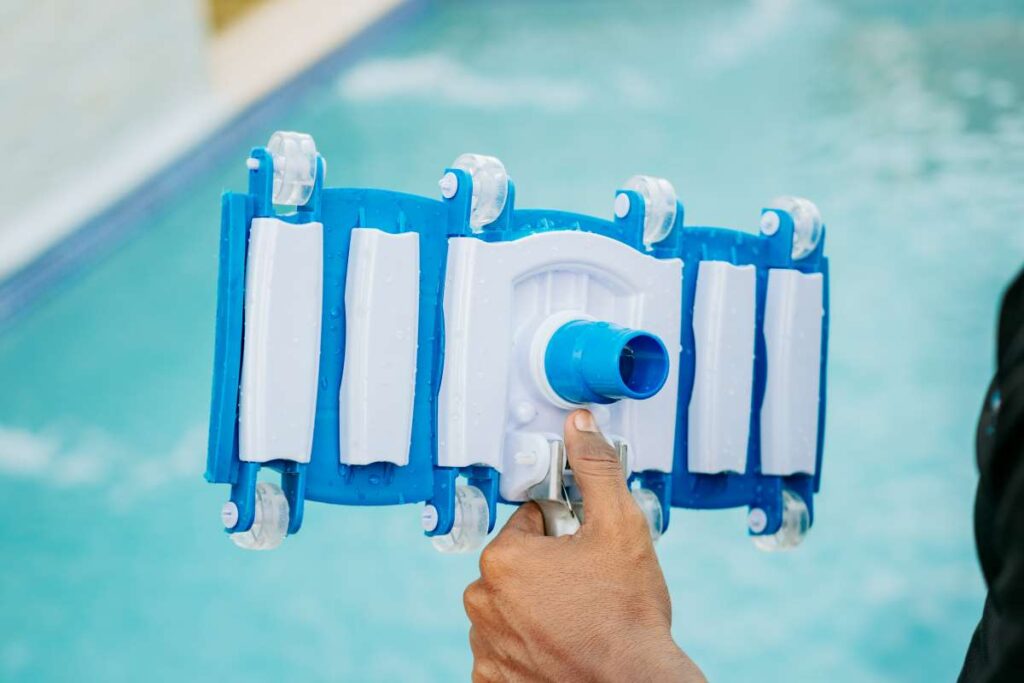
How to Conduct Field Training Effectively
How to Conduct Field Training Effectively
Field training is a crucial component in the development of employees across various industries. It provides hands-on experience that is essential for honing skills and ensuring that theoretical knowledge is effectively translated into practical application. In this blog post, we will explore the best practices for conducting field training, focusing on planning, execution, assessment, and follow-up strategies. By the end of this article, you will be equipped with the tools and insights necessary to enhance your organization’s training efforts.Field training has become increasingly relevant in today’s fast-paced work environment. It not only aids in transferring knowledge but also fosters a deeper understanding among employees about their roles and responsibilities. Properly executed field training can lead to improved job performance, increased employee satisfaction, and ultimately, better organizational outcomes. Throughout this post, we will discuss actionable strategies that can be employed to ensure effective field training.
Effective training begins with a well-thought-out plan. Before heading into the field, it is essential to establish clear objectives that align with both the organization’s goals and the individual learning paths of employees. These objectives should be SMART: Specific, Measurable, Achievable, Relevant, and Time-bound.
For instance, if you are training pool service technicians, the objectives might include mastering the use of pool service software, understanding chemical treatment protocols, and learning efficient maintenance techniques. By having clear objectives, trainers can better measure progress and ensure that all necessary skills are covered during training sessions.
Preparation and Planning
Preparation is vital for successful field training. It involves selecting appropriate trainers who possess both the expertise and the ability to convey knowledge effectively. Trainers should not only be subject matter experts but also skilled communicators who can engage trainees and adapt their teaching styles to meet varying learning needs.
Moreover, training materials and resources should be prepared beforehand. This could include handouts, guides, or software demonstrations that the trainees will reference during their training. For instance, in the context of pool service training, having a demonstration of the Pool Biller Software can greatly enhance understanding.
Additionally, trainers should scout the training location in advance to ensure it is conducive to learning. Consider factors such as safety, accessibility, and the availability of necessary tools and equipment. This thorough preparation phase sets the foundation for a successful training experience.
Executing the Training
Once preparation is complete, the next step is the execution of the training itself. This phase should actively involve trainees to maximize their engagement. Incorporate a mix of instructional methods, including demonstrations, hands-on practice, and group discussions. This variety caters to different learning styles and keeps the training dynamic.
During the training, it is important to encourage questions and foster an open dialogue. Creating an environment where trainees feel comfortable seeking clarification will enhance their learning experience. For instance, while discussing chemical treatments, a trainer could pose questions like, “What challenges do you typically face with balancing chemical levels?”
Real-life scenarios and role-playing can also be beneficial. By simulating actual situations that employees may encounter in the field, trainers help trainees apply theoretical knowledge to practical challenges. This type of active learning is particularly effective in the pool service industry, where technicians must quickly assess pool conditions and execute appropriate solutions.
Assessment and Feedback
Assessing trainee performance is a critical component of field training. Employ various methods such as quizzes, practical demonstrations, or peer reviews to gauge understanding and proficiency. This assessment not only helps identify areas requiring further improvement but also allows trainers to adjust their teaching strategies accordingly.
Providing constructive feedback is equally important. Feedback should be specific, focusing on both strengths and areas for improvement. It is essential to create a culture of continuous learning where trainees understand that feedback is a tool for growth. For example, if a technician struggles with using pool service software, offering targeted support can greatly enhance their confidence and skills.
Moreover, documenting progress can help both trainers and trainees track development over time. This is particularly valuable for organizations seeking to improve their training processes or for employees aiming for career advancement.
Follow-up and Continuous Improvement
The conclusion of field training does not mark the end of the learning process. Follow-up is essential to reinforce skills learned during training and to address any lingering questions. Organizing periodic check-ins can help maintain momentum and encourage ongoing development.
Additionally, consider providing refresher courses or advanced training sessions to keep skills sharp. This is particularly relevant in industries like pool service, where methods and technologies evolve. By continuously updating training practices, organizations can ensure their employees remain knowledgeable and competitive.
Soliciting feedback from trainees about the training experience itself can also lead to improvements in future training sessions. This could include surveys or informal discussions that allow trainees to express their thoughts on what worked well and what could be enhanced.
Leveraging Technology in Field Training
In today’s digital era, leveraging technology can significantly enhance the effectiveness of field training. Utilizing software solutions like Pool Biller Software can streamline administrative tasks, allowing trainers to focus more on hands-on instruction.
Moreover, mobile apps can facilitate real-time communication and access to training materials, ensuring that employees have the information they need at their fingertips. This is particularly beneficial for pool service technicians who may require immediate guidance while working in the field.
Virtual training modules or e-learning platforms can supplement in-person training sessions, providing employees with flexible learning options that they can complete at their own pace. These tools can be especially valuable for covering foundational knowledge before hands-on training begins.
Best Practices for Field Training
To summarize, effective field training hinges on well-planned execution, active engagement, thorough assessment, and continuous improvement. Here are some best practices to keep in mind:
- Establish clear objectives before training begins.
- Choose knowledgeable and skilled trainers who can engage trainees effectively.
- Utilize diverse instructional methods to cater to different learning styles.
- Incorporate real-life scenarios to enhance practical learning.
- Assess performance regularly and provide constructive feedback.
- Implement follow-up strategies to reinforce skills learned.
- Leverage technology to enhance training efficiency.
By adhering to these best practices, organizations can create a robust training environment that not only prepares employees for their roles but also fosters a culture of continuous learning and development.
Conclusion
In conclusion, conducting effective field training is a multifaceted process that requires careful planning, execution, and follow-up. By focusing on clarity of objectives, engaging training methods, and ongoing assessment, organizations can significantly enhance the training experience for employees.
Field training is not just about transferring knowledge; it’s an investment in the future of your workforce. As industries continue to evolve, effective training becomes even more critical to maintaining a skilled and knowledgeable team. Consider integrating modern tools like Pool Biller Software into your training processes to further streamline the journey. Start implementing these strategies today, and watch your team’s performance soar!