How to Design Soft Skills Training for Service Pros
Unlock the potential of your service team with effective soft skills training that enhances customer interactions and drives business success.
How to Design Soft Skills Training for Service Pros
In today’s competitive landscape, exceptional service is not just about technical skills; it’s also about interpersonal abilities. Soft skills training for service professionals is essential for fostering effective communication, problem-solving, and emotional intelligence. In this blog post, we’ll explore how to design impactful soft skills training tailored for service pros. We’ll discuss the significance of these skills, outline key training components, and provide actionable steps to implement an engaging training program.
Soft skills are vital for service professionals as they directly influence customer satisfaction, employee morale, and overall business performance. This post will delve into the various aspects of soft skills training, including understanding the specific needs of your service team, integrating practical exercises, and continuously evaluating the effectiveness of your training initiatives. Whether you’re a small business owner or a team leader, this guide will equip you with the knowledge to enhance your team’s service capabilities.
Understanding the Importance of Soft Skills in Service Roles
Soft skills encompass various interpersonal and communication abilities, including empathy, teamwork, and adaptability. For service professionals, these skills can significantly impact customer interactions.
Research shows that 85% of job success comes from people skills, while only 15% is attributed to technical expertise. This stark contrast highlights the need for service pros to develop their soft skills actively.
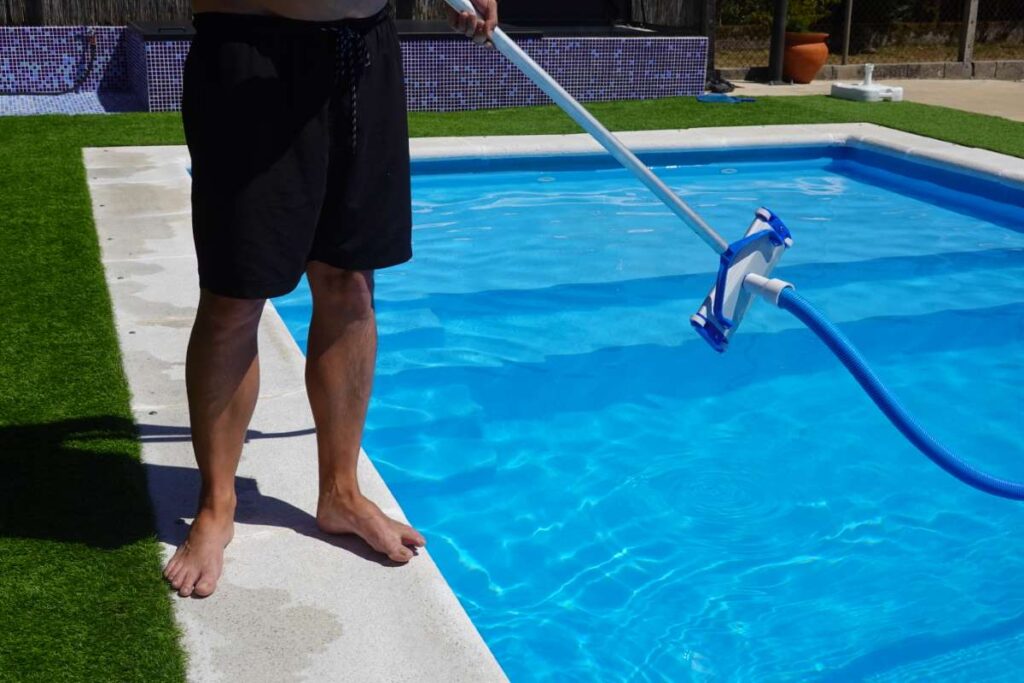
For instance, imagine a pool service technician who excels at repairs but struggles with communication. If they cannot effectively explain the issues to customers or provide clear instructions, it can lead to misunderstandings and dissatisfaction. By prioritizing soft skills training, businesses can create a workforce that not only meets technical requirements but also fosters positive customer relationships.
Assessing Training Needs: What Are Your Team’s Gaps?
Before designing a training program, it’s crucial to assess the specific soft skills gaps within your team. Conduct surveys or focus groups to gather insights about areas where improvements are needed.
Common areas to explore include communication styles, conflict resolution strategies, and teamwork dynamics. For example, if your team frequently encounters customer complaints regarding communication, it would be beneficial to focus on training modules that enhance verbal and non-verbal communication skills.
Additionally, consider utilizing role-playing scenarios where team members practice real-life customer interactions. This can provide valuable feedback and help identify particular challenges that your service pros face, allowing you to tailor your training effectively.
Creating Engaging Training Modules
Once you’ve identified the training needs, it’s time to develop engaging training modules that resonate with your service pros. Incorporating a mix of formats will cater to different learning styles and keep participants engaged.
Consider using interactive workshops, e-learning modules, and group discussions to cover various topics such as active listening, empathy, and customer service etiquette. For instance, you can create a workshop where team members practice active listening techniques through guided exercises.
Furthermore, including real-life case studies and examples relevant to the pool service industry will make the training more relatable. By showcasing how soft skills positively impacted customer experiences, you can inspire your team to embrace these concepts actively.
Incorporating Technology and Tools
In today’s digital age, leveraging technology can enhance the effectiveness of your soft skills training. Consider utilizing training software or platforms that offer interactive modules and assessments.
Tools like video conferencing can also facilitate remote training sessions, making it easier for teams to participate regardless of their location. For example, a pool service company could use a platform to conduct live webinars on conflict resolution strategies.
Moreover, integrating a performance tracking system allows you to monitor the progress of your team members. By analyzing their growth in soft skills, you can make data-driven decisions about future training needs and areas for improvement.
Implementing Continuous Feedback Mechanisms
Training should not be a one-time event but rather an ongoing process. Implementing continuous feedback mechanisms can help reinforce the skills learned during training.
Encourage regular one-on-one check-ins where employees can discuss their experiences and challenges in applying soft skills on the job. Additionally, consider using peer feedback sessions, where team members can provide constructive feedback to each other.
This culture of continuous learning fosters accountability and encourages team members to actively work on their soft skills beyond the training sessions. By creating a supportive environment, you’ll empower your service pros to excel in customer interactions.
Measuring the Impact of Soft Skills Training
To determine the effectiveness of your soft skills training, it’s essential to measure its impact on your service team’s performance. Set clear objectives and key performance indicators (KPIs) to track progress over time.
For instance, you might measure customer satisfaction scores before and after the training to evaluate improvements in service delivery. Additionally, tracking employee retention rates can indicate whether the training positively impacts employee morale.
Feedback forms and surveys can also provide valuable insights into how team members perceive the training and its relevance to their roles. By utilizing this data, you can refine your training program and ensure it remains effective and aligned with your team’s needs.
Creating a Culture of Soft Skills Development
Fostering a culture that values soft skills development will have a lasting impact on your service team’s performance. Encourage open communication, collaboration, and recognition of soft skills accomplishments within the team.
Celebrate successes, whether big or small, by recognizing employees who demonstrate exemplary soft skills in their interactions with customers. This recognition can motivate others to follow suit and prioritize their soft skills development.
Moreover, consider incorporating soft skills training into performance reviews to reinforce its importance. When team members see that their soft skills are valued, they are more likely to invest time and effort into continuous improvement.
Utilizing Professional Development Resources
In addition to in-house training, consider utilizing external resources for professional development in soft skills. There are many workshops, online courses, and certifications available that specialize in customer service and interpersonal skills.
For example, enrolling your team in a customer service training program can provide them with valuable insights and tools to enhance their soft skills. Additionally, inviting industry experts to conduct workshops or speaking engagements can expose your team to diverse perspectives and best practices.
By investing in professional development, you demonstrate a commitment to your team’s growth and success, ultimately translating into improved service delivery for your customers.
Conclusion
In summary, designing effective soft skills training for service professionals is crucial for enhancing customer interactions and overall business performance. By understanding the importance of soft skills, assessing training needs, and implementing engaging training modules, you can equip your team with the tools they need to excel.
Continuous feedback mechanisms and measuring the impact of training will ensure that your soft skills development initiatives remain effective. By fostering a culture of soft skills appreciation and utilizing external resources, you can create a service team that stands out for its exceptional ability to connect with customers.
As you embark on this journey to enhance your service team’s soft skills, consider integrating solutions like Pool Biller Software. This tool can streamline your billing processes, allowing your team to focus more on providing impeccable service. Start today, and watch your service pros thrive!