
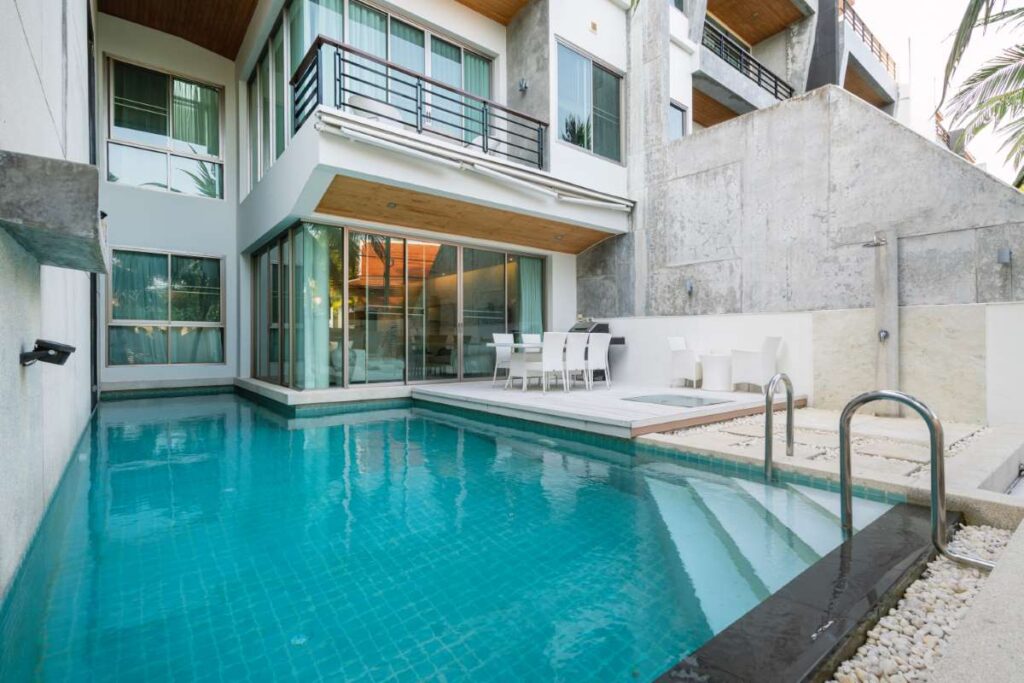
The Impact of Seasonal Algae Growth and How to Prevent It
The Impact of Seasonal Algae Growth and How to Prevent It
Algae growth is a common concern for pool owners, especially during warmer months. This blog will explore the effects of seasonal algae growth, the contributing factors, and effective prevention methods to maintain a pristine swimming environment. You will also discover how utilizing specialized pool service software can streamline pool maintenance and billing, ensuring your pool stays in top condition all year round.Algae are simple organisms that thrive in warm, sunny environments, making swimming pools an ideal breeding ground. While algae are a natural part of the ecosystem, their proliferation can lead to significant issues for pool owners, from unsightly appearances to potential health risks. Understanding the impact of algae growth is crucial for maintaining pool hygiene and ensuring a safe swimming experience.
This article will discuss the types of algae commonly found in pools, the environmental conditions that foster their growth, and practical solutions for prevention and control. Additionally, we will touch on the importance of efficient pool management systems, such as Pool Biller Software, which can support pool service professionals in maintaining clean and safe swimming environments.
Types of Algae and Their Impacts
There are three primary types of algae that can affect swimming pools: green algae, yellow (or mustard) algae, and black algae. Understanding the characteristics and impacts of each type can help pool owners act promptly and efficiently.
Green algae are the most common type found in pools, characterized by its bright green color, giving the water a murky appearance. It can accumulate on pool walls and floors, making them slippery and unsafe. Green algae thrive in warm water, especially when sanitation levels are inadequate. Regular maintenance and proper chemical balance are essential to combat this type.
Yellow algae, or mustard algae, is often mistaken for sand or dirt. It typically grows in shady areas of the pool where chlorine levels are lower. This type of algae can be more resistant to chlorine treatments, requiring a more aggressive cleaning approach, including the use of algaecides to eliminate it effectively.
Black algae are the most stubborn of the three. It appears as dark spots on pool surfaces and can penetrate the plaster, making it difficult to remove. Black algae require specialized treatments that often involve scrubbing with a wire brush and high-quality algaecide. Understanding these various types of algae is crucial for effective prevention and maintenance strategies.
Factors Contributing to Seasonal Algae Growth
Several factors can contribute to seasonal algae growth in pools. Primarily, warm temperatures create an ideal environment for algae to thrive. Additionally, insufficient filtration and circulation can lead to stagnant water, which promotes algae growth.
Algae can also take hold due to poor water chemistry. A lack of proper sanitization can result in imbalanced pH levels, making it easier for algae to flourish. Pool owners must regularly test and adjust their water chemistry to maintain a healthy balance. Elements such as chlorine, pH, alkalinity, and calcium hardness play a crucial role in preventing algae blooms.
Another contributing factor is debris accumulation. Leaves, dirt, and organic matter can introduce spores into the pool, facilitating algae growth. Regular skimming, vacuuming, and cleaning of pool filters are essential to managing debris and maintaining water clarity. Homeowners should also consider using pool service software to streamline their maintenance schedules and ensure consistent cleaning routines.
Effective Prevention Strategies
Preventing seasonal algae growth requires a multifaceted approach. First and foremost, maintaining proper water chemistry is vital. Regular testing for chlorine, pH, and alkalinity levels can help ensure that the pool environment remains hostile to algae growth.
Additionally, pool owners should ensure their filtration systems are functioning optimally. Running the pool filter for at least 8 to 12 hours a day, especially in the summer, will help circulate water and filter out debris that could harbor algae spores.
Investing in a quality pool cover can also deter algae growth. Covers block sunlight, which is essential for algae proliferation, and help keep debris out of the pool when it’s not in use. Regular maintenance of the cover itself is also necessary to ensure it remains effective.
Utilizing algaecides as a part of routine maintenance can also help prevent algae from taking hold. While algaecides are not a substitute for proper sanitization, they can provide an extra layer of protection, particularly during periods of increased risk.
Cleaning and Maintenance Practices
Regular cleaning is essential for maintaining a pool free of algae. Skimming the surface to remove leaves and debris should be done frequently, while vacuuming the pool floor helps eliminate any settled particles. Brushing the walls and tiles will also help remove any algae buildup before it can establish itself.
In addition to routine cleaning, pool owners should schedule regular professional maintenance. A pool service company can provide thorough cleaning and ensure that all aspects of pool care, including water chemistry and equipment function, are optimized.
For those managing their pools, employing a pool billing software solution can simplify the invoicing and scheduling of maintenance services. This enables pool owners to focus on the enjoyment of their pools rather than the administrative tasks associated with pool care.
The Role of Technology in Pool Maintenance
Advancements in technology have significantly impacted the way pool maintenance is conducted. Automated pool cleaners have become increasingly popular, providing homeowners with a hands-off approach to keeping their pools clean. These devices can navigate the pool, remove debris, and scrub surfaces, reducing the need for manual cleaning.
Moreover, modern pool management software such as Pool Biller Software allows pool service businesses to keep track of maintenance schedules, client details, and invoicing. This streamlining of operations not only enhances efficiency but also improves customer satisfaction through timely service delivery.
Mobile apps have also emerged to assist homeowners in monitoring their pool conditions. With real-time data on water chemistry, temperature, and equipment performance, owners can make informed decisions about maintenance. This proactive approach to pool care can help prevent larger issues, including algae growth.
Conclusion
In conclusion, seasonal algae growth poses a significant challenge for pool owners, but with proactive management and effective prevention strategies, it can be controlled. Understanding the types of algae and their contributing factors is essential for maintaining a clean and safe swimming environment.
By implementing regular cleaning practices, maintaining proper water chemistry, and utilizing modern pool management technologies, pool owners can significantly reduce the risk of algae growth. Embracing solutions like Pool Biller Software can further enhance the efficiency of pool management, allowing you to enjoy your swimming experience without the burden of excessive maintenance.
Ultimately, a clean and healthy pool is achievable with diligence and the right tools. Take proactive steps to maintain your pool, and you’ll create a safe and enjoyable environment for all. Start optimizing your pool care today!