The Role of Color Psychology in Pool Brand Design
Color psychology significantly impacts consumer behavior and brand perception. In the pool service industry, where companies strive to create trust and appeal, understanding the emotional responses elicited by different colors can make a profound difference. This blog post will explore how color choices in branding can influence customer perceptions, enhance brand identity, and ultimately drive business success.
In today’s competitive landscape, branding is more than just a logo or a catchy slogan. It’s about creating a connection with your audience. For pool service businesses, this connection often begins with color. Colors can evoke emotions, create associations, and even influence purchasing decisions. Knowing how to utilize color psychology in your branding strategy can set your pool service apart and resonate with your target market.
This article will delve into the core aspects of color psychology, focusing on how it applies to pool brand design. We will explore the meanings behind different colors, examine successful examples of color usage in the pool service industry, and provide practical insights on integrating color psychology into your branding strategy. By the end of this post, you’ll have a clearer understanding of how to leverage color effectively in your pool service branding.
The Meaning Behind Colors in Branding
Colors are powerful tools that communicate messages beyond words. Each color is associated with specific emotions, characteristics, and cultural meanings. For instance, blue often represents trust, reliability, and calmness, while green is linked to health, nature, and renewal. Understanding these associations can help pool service businesses select colors that align with their brand identity and the messages they wish to convey.
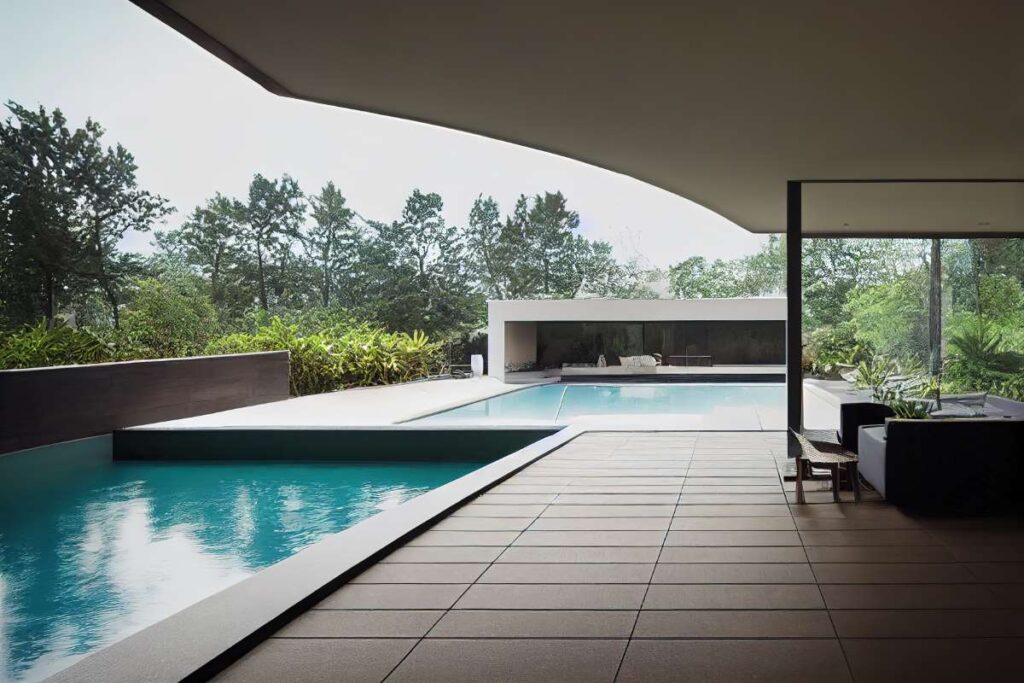
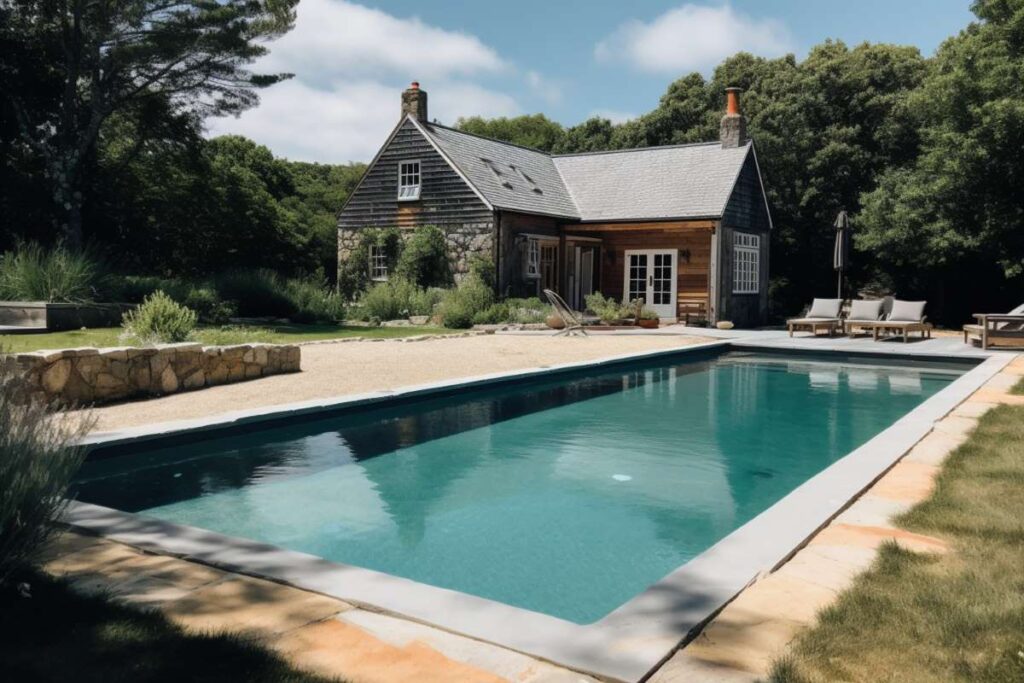
For pool service brands, blue is an especially fitting choice. It mirrors the color of water, evoking feelings of tranquility and cleanliness, which are essential attributes in the pool maintenance industry. On the other hand, vibrant colors like orange or yellow can represent energy and enthusiasm, appealing to a target audience looking for excitement in their outdoor experiences.
Additionally, color combinations can enhance or dilute the effectiveness of each color’s meaning. For example, a blue and green palette can reinforce the themes of cleanliness and eco-friendliness, while a blue and orange combination might evoke a more playful and energetic feel. The key here is to ensure that the colors chosen resonate with both the brand’s identity and the emotions it wishes to evoke in its customers.
Case Studies: Successful Pool Brands and Their Color Choices
Several pool service companies effectively utilize color psychology to strengthen their branding. One example is the well-known pool maintenance brand, Blue Haven Pools. Their consistent use of blue in marketing materials, logos, and uniforms not only reflects the water element but also instills a sense of trust and reliability in their services.
Another noteworthy example is Premier Pools and Spas, which combines blue with green in its branding. This color strategy emphasizes their commitment to environmentally friendly practices while reinforcing their core identity in the pool industry. By carefully selecting and harmonizing their color palette, these companies enhance their visual identity and appeal to their target audience.
In contrast, a brand that uses colors without consideration of their psychological implications may struggle to establish a solid identity. For example, a pool service company that opts for overly aggressive colors like bright red may inadvertently create feelings of anxiety rather than trust. This demonstrates the importance of aligning color choices with the brand’s values and customer expectations.
Practical Tips for Integrating Color Psychology into Your Branding
Implementing color psychology in your pool service branding requires thoughtful consideration. Here are some practical tips to help you effectively integrate this concept into your design strategy:
1. Understand Your Audience: Conduct research to identify the preferences and emotional triggers of your target market. Are they more likely to respond to calming colors or energetic hues? Understanding your audience will guide your color choices.
2. Create a Color Palette: Develop a cohesive color palette that reflects your brand’s identity. Limit your choices to three to five primary colors to maintain consistency across all branding materials, from your website to business cards.
3. Consider the Context: Think about the context in which your colors will be displayed. For example, colors may appear differently on digital screens than in print. Ensure that your chosen colors remain effective across various applications.
Contrasting Perspectives: Is Color Psychology Universal?
While color psychology offers compelling insights, it’s essential to recognize that cultural differences can influence color perception. For instance, while white is associated with purity and cleanliness in Western cultures, it signifies mourning in some Eastern cultures. This divergence means that pool service brands operating in diverse markets must account for these variations in their color choices.
Experts argue that while some colors have universally understood meanings, the context and cultural associations can fluctuate. Thus, businesses that expand internationally should conduct thorough research to ensure that their branding resonates positively with local audiences. Engaging local designers or marketers familiar with regional preferences can provide additional insight into effective color choices.
Ultimately, color psychology is invaluable, but it should be considered alongside other branding elements such as messaging, values, and cultural contexts. By doing so, pool service companies can create a more comprehensive and effective brand identity.
Best Practices for Branding with Color Psychology
To maximize the impact of your color choices in branding, consider these best practices:
1. Test and Iterate: Before finalizing your branding colors, conduct A/B tests to gauge audience reactions. Testing different color combinations can provide valuable data on which colors resonate best with your target market.
2. Keep It Simple: Avoid overwhelming your audience with too many colors. A simple, well-thought-out color scheme is more memorable and easier for customers to associate with your brand.
3. Consistency is Key: Ensure that your color scheme remains consistent across all platforms and marketing materials. Consistency reinforces brand recognition and builds trust with your audience.
Leveraging Technology: How Software Can Enhance Your Branding Efforts
In an era where technology plays a crucial role in business operations, integrating branding strategies with modern software can significantly enhance effectiveness. For pool service companies, utilizing tools like EZ Pool Biller can streamline the billing process while maintaining brand consistency.
EZ Pool Biller, for instance, allows companies to customize invoices with their branding, including logos and color schemes. This level of personalization not only reinforces brand identity but also enhances professionalism in client communications. As a result, clients receive invoices that reflect the company’s values and aesthetics, helping to create a cohesive brand experience.
Moreover, the insights provided by software analytics can help pool service businesses understand customer interactions and preferences better. By analyzing data on which services are most popular or how clients respond to different communications, companies can refine their branding strategies to align with client expectations.
Conclusion
Understanding color psychology is crucial for pool service businesses looking to establish a strong brand identity. By strategically selecting colors that resonate with their target audience, companies can evoke the desired emotions and connections that drive customer loyalty.
Through careful consideration of cultural contexts, audience preferences, and practical applications, pool service brands can create a holistic branding strategy that stands out in a competitive market. As you embark on your branding journey, remember that color is not just a visual element; it is an integral part of the story your brand tells.
For pool service professionals ready to take the next step, integrating effective software solutions like EZ Pool Biller can further streamline operations and enhance branding efforts. By embracing both color psychology and modern technology, you can not only improve client relations but also foster a brand identity that resonates and endures.