📌 Key Takeaway: Pool chemical log software should do more than store readings—it should connect chemistry, service history, routing, billing, and customer records in one system.
Pool chemical log software matters because chemical readings are not isolated data points. They sit inside a service workflow that includes route stops, technician notes, water treatment adjustments, customer communication, statement billing, and long-term account history. If your team logs chemistry in one place, schedules in another, and customer balances somewhere else, you create delays, missed details, and preventable mistakes. A complete pool service management software platform fixes that by keeping chemical records tied to the actual service visit and the customer account. That gives you cleaner records, faster decision-making, and a more professional operation.
What Pool Chemical Log Software Should Actually Do
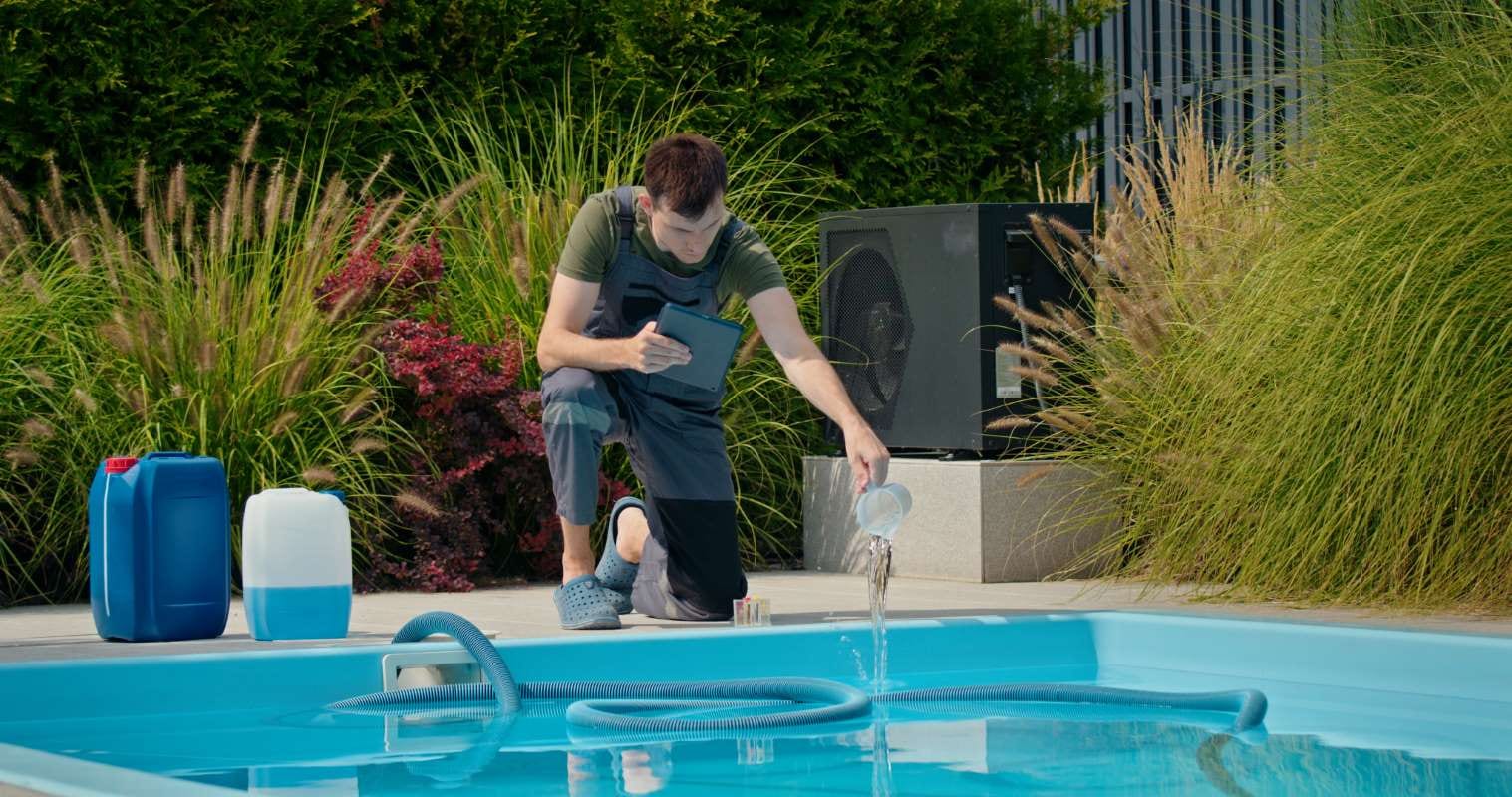
Good pool chemical log software should capture the readings from the field, preserve them in a clear visit history, and make them useful later. That means a technician should be able to record sanitizer, pH, and other chemistry details while standing at the pool, not on paper that gets reentered later. The office should be able to see those entries immediately. The customer record should show what happened on each visit. And the business owner should be able to review trends without digging through scattered notes.
That is the difference between a basic digital form and software built for pool service. A form can collect numbers. Real pool software ties those readings to the route stop, the service date, the products used, the technician who performed the work, and the customer account. If a customer calls about cloudy water, you need more than a single reading. You need the full service context: what the water tested at, what was added, what the technician observed, whether the system was running properly, and whether similar issues showed up on prior visits.
A strong chemical log also improves consistency across your team. Different technicians may describe the same issue in different ways unless the software gives them a structured process. Standardized fields, repeatable visit reports, and mobile entry reduce the chance that one tech writes a detailed note while another leaves a vague comment. That consistency protects service quality and makes the business easier to manage as you grow.
The core question is simple: does the software help you run the route better, or does it just create another place to type? If it does not improve field execution and office visibility, it is not solving the real problem.
Why Paper Logs and Generic Apps Break Down
Most pool companies outgrow paper logs before they admit it. Paper seems simple until a page gets wet, a clipboard stays in the truck, handwriting becomes unreadable, or the office needs to confirm what happened at a stop and the technician is already across town. The same problem shows up with spreadsheets and generic field apps. They can hold information, but they do not organize it around how a pool service company actually works.
The biggest issue is fragmentation. Chemistry notes on paper, route assignments in a calendar, payments in QuickBooks, customer messages in text threads, and product usage in someone's memory create a system that depends on people remembering details instead of the business retaining them. That works when the owner touches every route. It fails when the team grows, routes shift, or service issues need to be traced quickly.
Generic service software has its own limit. Tools like Jobber, Service Autopilot, ServiceM8, ServiceTitan, Housecall Pro, and QuickBooks can help with parts of the workflow, but pool service has field requirements that are more specific than general home service. Pool technicians need chemistry tracking tied directly to recurring service visits. They need a service record that reflects what was tested, what was adjusted, and what follow-up may be needed. They also need customer-facing records that make sense for recurring work, not one-off jobs.
That is why purpose-built pool service software wins. It handles the routine nature of the work without forcing you into workarounds. Instead of adapting a generic platform to fit chemical logging, you use software designed for the way pool routes are run every day.
There is also a business reason to tighten operations now. Consumer confidence affects how homeowners evaluate recurring services. The University of Michigan consumer sentiment index, published by FRED, moved higher on July 1, 2026, but the broader lesson is not about chasing a single reading. It is that service companies should be ready when customers pay closer attention to value, communication, and professionalism. Clear chemical logs and organized service records help justify the work being done and make the customer experience easier to trust.
Features That Matter in Pool Chemical Log Software
The best pool chemical log software starts with fast field entry. A technician should be able to open the stop on a mobile app, record chemistry, add products used, note equipment issues, and complete the visit without jumping between screens or retyping customer information. Speed matters because field adoption depends on convenience. If logging takes too long, entries get delayed or skipped.
Chemical tracking also needs to be part of the visit report, not detached from it. A standalone chemistry note has limited value. A complete visit record shows the service date, readings, treatment actions, technician notes, and any follow-up items. That gives the office and the customer a clearer picture of the service performed.
History matters just as much as entry. Good software should make it easy to review prior readings for the same pool. If chlorine demand changes, pH drifts repeatedly, or a recurring algae issue appears, your team should be able to spot the pattern in the account history. That helps with troubleshooting and improves treatment decisions. Without accessible history, every visit starts from scratch.
Customer communication is another essential feature. When chemistry is logged properly, that information can support a more professional customer portal experience. Customers want proof of service and a clear record of what happened at their pool. They do not want vague assurances. They want a visit record that shows the work was completed and documented.
This is where EZ Pool Biller stands apart from tools that focus only on accounting or basic field dispatch. It is complete pool service management software, not a single-purpose logging app. Chemical tracking sits alongside routing, mobile service entry, customer records, reports, payroll, QuickBooks integration, and a customer portal. That matters because chemistry is one part of a repeating operational cycle. When the software keeps all of it connected, the business runs cleaner.
Billing matters here too, even though owners often treat it as a separate topic. Service records and payment records should support each other. With statement-based billing, customers can review their running balance while the company maintains a documented service history. That is a stronger operational model than splitting field logs from account records and trying to reconcile them later.
How Better Chemical Records Improve Service and Retention
Accurate chemical records improve service quality first. The technician knows what happened last visit. The office can verify what was done. The owner can review route performance without calling the field for clarification. That operational clarity helps prevent repeated treatment errors and unnecessary callbacks.
It also improves accountability. If a pool was serviced, the record should show the chemistry, the products used, and the technician notes. If something was not done, the software should make that obvious too. Ambiguity is expensive. Clear records reduce disputes inside the company and create a stronger service standard across the team.
Customers feel the difference even if they never use the term pool chemical log software. They notice when a company can answer questions quickly, explain treatment decisions clearly, and show a clean history of prior visits. They notice when communication is organized instead of reactive. That makes the business look disciplined, which supports retention.
Good records also support smoother staffing changes. Routes change. Technicians take time off. New hires come in. When the account history is detailed and accessible, the next technician is not walking in blind. They can see previous chemistry patterns, recent treatment actions, and any standing issues with the pool or equipment. That protects the customer experience when the person doing the work changes.
From a management standpoint, chemical logging creates a better review process. You can see whether visit reports are complete, whether certain pools need unusually frequent treatment adjustments, and whether field habits are consistent across the team. Those are practical insights, not abstract reporting. They help you tighten operations where it matters: at the route level.
Choosing Software That Fits a Growing Pool Service Company
The right software choice depends on how you want the business to run, not just which feature list looks longest. If you need pool chemical log software, start by asking whether it is built for recurring pool service or adapted from another trade. A system designed around one-time work orders often creates friction for weekly and monthly route service.
Next, look at workflow continuity. Can the technician move from route stop to chemical entry to visit completion in one flow? Can the office review that service record immediately? Can the customer view the service history through a portal? Can the same system handle statements, payments, reporting, payroll, and QuickBooks integration? If the answer is no, you are probably buying another partial solution.
Ease of use matters because software only helps when the team actually uses it. The field app should be straightforward. The chemical log should be quick to complete. The service history should be easy to search. Reports should be readable without exporting everything into a spreadsheet. Good software reduces steps. Bad software creates workarounds.
Pool companies should also think beyond today's route size. Many owners choose lightweight tools because they feel simple at first. Then they hit the same wall later: disconnected data, duplicated entry, uneven field adoption, and weak reporting. A complete pool service management software platform gives you room to grow without rebuilding your process once the account base expands.
That is the real buying decision. You are not choosing where to store readings. You are choosing how your company will document service, manage technicians, communicate with customers, and maintain operational control as the route gets larger.
Frequently Asked Questions
What is pool chemical log software?
Pool chemical log software is software used to record water test results, treatment actions, and service notes for each pool visit. The best options do more than store chemistry readings. They connect those readings to route stops, customer accounts, visit reports, payments, and long-term service history.
Why is pool-specific software better than a spreadsheet or generic app?
A spreadsheet can store data, but it does not organize that data around recurring pool service. Generic apps often require workarounds because they are not built for route-based pool maintenance. Pool-specific software keeps chemistry, service history, routing, customer communication, and statement billing connected in one system.
Should chemical logs be visible to customers?
In many cases, yes. Customers benefit from clear service documentation, especially when they want to understand what was tested and what was added to the pool. A customer portal that shows visit records can reduce confusion and support trust, as long as the information is presented clearly.
Can pool chemical log software help with team management?
Yes. Better logs improve accountability and make route transitions easier. When technicians change or routes are reassigned, the next person can review the account history, prior chemistry patterns, and recent treatment actions. That reduces guesswork and helps maintain service consistency.